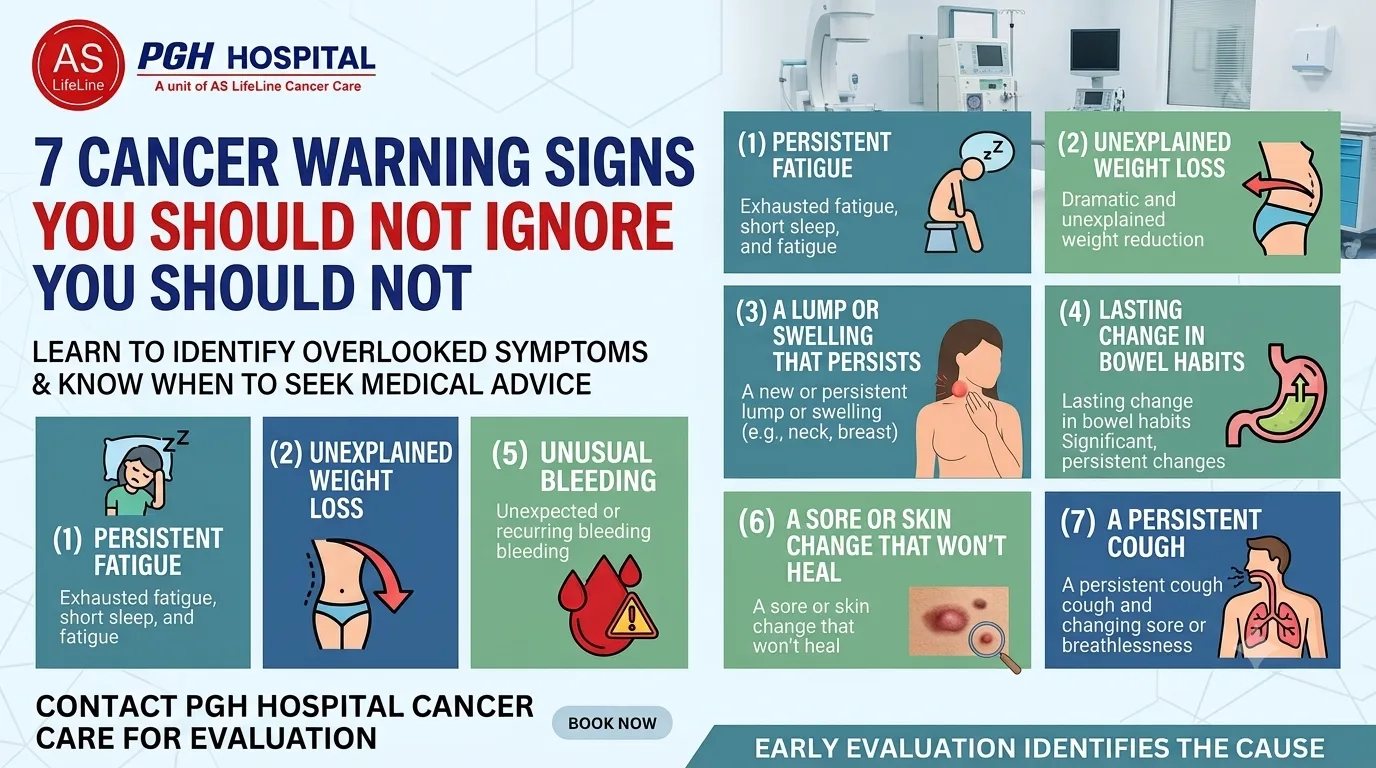

Finding a lump can be unsettling, but most lumps are not cancer. They can develop from an infection, cyst, swollen lymph node, fatty tissue or hormonal changes, and many harmless lumps resolve on their own. Still, a new lump that persists, grows or changes should be examined rather than watched indefinitely.
Doctors consider several factors when deciding whether a lump needs further investigation, including its location, how long it has been present, whether it is changing, how it feels and whether other symptoms are present. Depending on these findings, they may recommend monitoring, imaging or a biopsy. Here is how that decision process works.
What Happens During the First Examination?
The first step is usually a physical examination. Your doctor may ask when you first noticed the lump, whether it has changed in size, whether it is painful, and whether you have had any recent infections, injuries, medication changes or other symptoms.
During the examination, the doctor may check:
- The size and shape of the lump
- Whether it is soft, firm or hard
- Whether it moves under the skin
- Whether it appears attached to deeper tissue
- Whether the surrounding area is swollen or tender
- Whether there are other lumps nearby
These details help determine whether the lump can be monitored or needs further assessment.
Does Timing Actually Matter?
How long a lump has been present and whether it is changing can offer useful clues. Lymph nodes often swell during an infection and settle down once the infection clears. A lump that keeps growing, persists for weeks or appears without an obvious explanation usually needs closer assessment.
A persistent lump does not automatically mean cancer. Its behaviour over time is one part of the overall assessment.
What Tests Might Follow?
If the cause is not clear from the examination alone, imaging may be the next step. The test depends on the lump’s location and the clinical findings.
- Ultrasound: Commonly used to assess lumps in the breast, neck and other soft tissues.
- Mammography: May be recommended for certain breast concerns.
- CT scan or MRI: May provide a more detailed view of deeper structures.
Imaging can help show whether a lump is fluid-filled or solid and clarify its size, location and structure. If the findings remain uncertain or suspicious, a biopsy may be recommended. This involves taking a small sample of cells or tissue for examination under a microscope.
Not every lump needs a biopsy. The decision depends on the lump’s location, examination findings and imaging results. A biopsy is an investigation, not confirmation that cancer is present.
What Does a Biopsy Actually Tell You?
A biopsy helps identify what a lump is made of and whether it contains benign tissue, inflammation, infection or cancer. If cancer is found, examining the tissue can help identify the cancer type and guide decisions about further tests and treatment.
Your doctor will explain why a biopsy is recommended, how the procedure will be performed and when you can expect the results.
Can You Tell a Benign Lump From a Cancerous One by Touch?
Not reliably. Some harmless lumps feel firm, while some cancerous lumps may be painless. Neither firmness nor pain can establish whether a lump is cancerous.
A lump that keeps growing, remains unexplained, feels fixed in place or appears alongside other concerning symptoms may need closer assessment. It is best not to try to diagnose a lump at home based only on how it feels.
When Should You Get a Lump Checked?
Any new lump that concerns you is worth discussing with a doctor, especially if it does not go away. Seek medical advice if a lump:
- Continues to grow
- Persists for several weeks without an obvious cause
- Becomes hard or feels fixed in place
- Keeps returning
- Occurs alongside unexplained weight loss
- Is associated with persistent pain or other unusual symptoms
- Causes changes in the skin over the affected area
- Appears alongside unexplained bleeding
The location matters too. A breast lump, neck swelling, abdominal lump or enlarged lymph node can have different causes and may require different investigations.
Does Every Lump Need Testing?
No. Some lumps have an identifiable cause and resolve on their own or need only monitoring. For example, a swollen lymph node may settle as an infection clears.
When the cause is less clear, a doctor may recommend an ultrasound, mammogram, CT scan, MRI or biopsy. The choice depends on the lump’s location, its characteristics and your medical history.
When Does an Oncologist Get Involved?
Most people begin with a general physician or a specialist appropriate to the lump’s location. This may include a surgeon, gynaecologist, breast specialist or ENT doctor.
An oncologist may become involved when a biopsy confirms cancer or when other findings warrant specialist assessment. The oncologist can then explain the diagnosis and discuss treatment options appropriate to the individual case.
What Should You Do If You Find a Lump?
Note when you first noticed the lump and whether it has changed in size or appearance. Avoid repeatedly pressing or checking it, as this can make the area sore and make changes harder to assess.
Arranging a medical consultation is a more reliable way to determine whether further investigation is needed than monitoring the lump indefinitely on your own.
The Bottom Line
Finding a lump does not automatically mean cancer. Many lumps are caused by non-cancerous conditions and may resolve or require only monitoring. What matters is the lump’s location, how long it has been present, whether it is changing and whether other symptoms are present.
A lump that is persistent, growing or unexplained deserves medical evaluation rather than an attempt to identify the cause at home.
Frequently Asked Questions
Does finding a lump mean I have cancer?
No. Many lumps come from non-cancerous conditions such as cysts, infections, swollen lymph nodes or fatty tissue. A persistent or changing lump should still be checked so the cause can be identified.
Can a cancerous lump be painful?
Yes, but pain alone cannot tell you whether a lump is cancerous. Some cancerous lumps are painless, while benign lumps can also ache or feel tender.
How do doctors know if a lump is cancerous?
They consider examination findings, imaging results when needed and biopsy results when tissue testing is appropriate. A biopsy can provide a definitive diagnosis in many cases.
How long should I wait before getting a lump checked?
There is no single waiting period for every lump. If a new lump persists, grows or has no obvious explanation, it is better to have it checked rather than continue monitoring it alone.
Is a biopsy always needed for a lump?
No. Some lumps have a clear benign cause and only need observation. A biopsy may be recommended when the examination or other findings indicate that tissue analysis is needed.