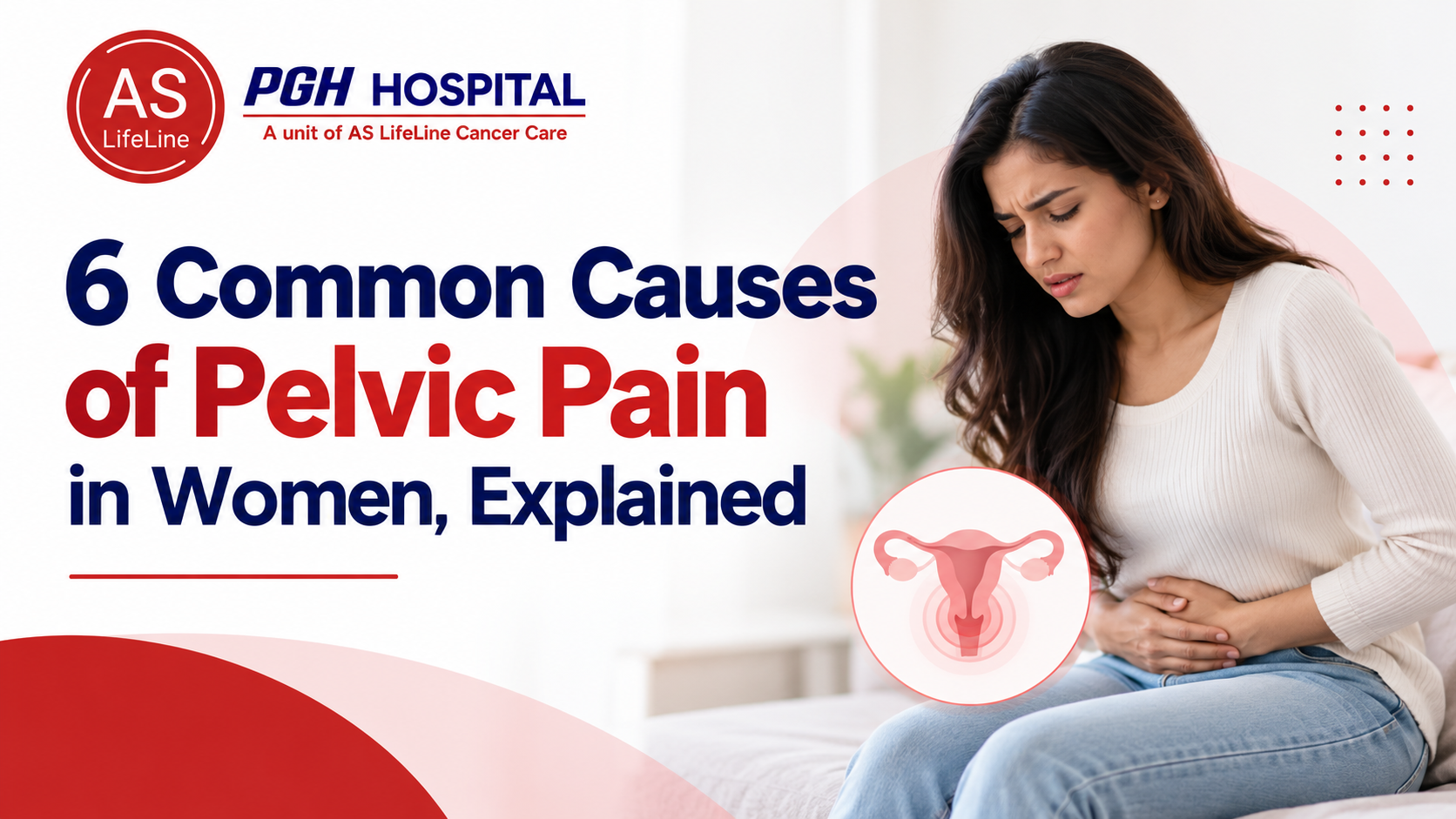
Pelvic pain can have several causes, and where it hurts or how intense it feels does not always reveal what is behind it. It may be linked to the menstrual cycle, ovaries, uterus, reproductive tract, urinary system, bowel or pelvic muscles. Understanding common causes can help you recognise when discomfort needs medical attention rather than repeated use of painkillers.
Pain that keeps returning, becomes more severe or starts affecting daily activities is worth evaluating. Here are six common causes of pelvic pain and when it is time to see a gynaecologist.
1. Could It Just Be Your Period?
Period pain is one of the most common causes of pelvic and lower abdominal discomfort. During menstruation, the uterus contracts to shed its lining, which can cause cramping that sometimes extends to the lower back or thighs.
Mild to moderate cramps around the start of a period are common. However, very painful periods that interfere with work, sleep, exercise or daily activities deserve closer attention. If your periods have suddenly become much more painful, or the pain continues beyond menstruation, speak with a gynaecologist.
2. Could an Ovarian Cyst Be the Cause?
Ovarian cysts can cause pelvic pain, particularly when a cyst grows large, ruptures or causes the ovary to twist. Many cysts form as part of the normal menstrual cycle and disappear on their own.
When symptoms occur, they may include:
- Pain on one side of the lower abdomen
- Pelvic pressure
- Bloating
- Discomfort during certain activities
Sudden, severe pelvic pain with nausea or vomiting needs prompt medical assessment. These symptoms can indicate a complication such as ovarian torsion, which may require urgent treatment.
3. Is Endometriosis Behind the Pain?
Endometriosis occurs when tissue similar to the uterine lining grows outside the uterus. It can cause pelvic pain that varies considerably between women.
Symptoms may include:
- Painful periods
- Pain during or after sex
- Pain while passing stools or urine during periods
- Pelvic discomfort that continues beyond menstruation
If period pain is severe, keeps returning or affects everyday life, a gynaecological assessment can help determine whether endometriosis could be involved. Treatment depends on symptoms, medical history and fertility plans. Options may include medicines, hormonal therapy, physiotherapy or surgery.
4. Could Fibroids Be Causing the Pressure?
Fibroids are non-cancerous growths that develop in or around the uterus and may cause pelvic pain or pressure. Some women have no symptoms, while others experience:
- Heavy periods
- Prolonged menstrual bleeding
- Lower abdominal pressure
- Backache
- Frequent urination
- Discomfort during sex
An ultrasound or other imaging may be recommended when fibroids are suspected, although not every fibroid needs treatment. Management depends on symptoms, size, location, age, fertility plans and overall health.
5. Could an Infection Be to Blame?
Pelvic inflammatory disease (PID) is an infection of the female reproductive organs. It can develop when certain infections spread upwards from the vagina or cervix.
Symptoms can include:
- Pelvic pain
- Unusual vaginal discharge
- Pain during sex
- Fever
- Bleeding between periods
- Discomfort while urinating
Early medical assessment and appropriate treatment can help reduce the risk of complications. If you have pelvic pain with fever, unusual discharge or abnormal bleeding, seek medical advice promptly.
6. Could It Be Your Muscles Rather Than Your Organs?
Pelvic pain does not always come from the reproductive organs. Problems involving the pelvic floor, abdominal muscles, lower back or hips can also cause discomfort. These problems may develop after exercise, injury, prolonged sitting, pregnancy or childbirth.
Some women notice pain while moving, exercising, sitting for long periods or during sexual activity. Treatment depends on the cause and may include physiotherapy, specific exercises, medicines or other targeted measures.
When Does Pelvic Pain Become an Emergency?
Sudden, severe or rapidly worsening pelvic pain needs prompt medical assessment, especially when accompanied by:
- Fainting, dizziness, weakness or feeling unusually unwell
- Heavy vaginal bleeding
- Fever or chills
- Repeated vomiting
- A positive pregnancy test or possible pregnancy
- Shoulder-tip pain with abdominal pain or bleeding
- Difficulty passing urine or stools
These symptoms can occur with conditions such as ovarian torsion, a ruptured ovarian cyst, pelvic infection or ectopic pregnancy. They do not necessarily mean one of these conditions is present, but they should not be ignored. Severe pelvic pain during a possible pregnancy requires urgent assessment because an ectopic pregnancy can become a medical emergency.
How Is the Cause of Pelvic Pain Diagnosed?
Diagnosis usually starts with your symptoms and medical history, followed by an examination when appropriate. Your doctor may ask about your menstrual cycle, previous pregnancies, medications, bowel and bladder symptoms, sexual health and previous gynaecological conditions.
Depending on the findings, you may need:
- A pregnancy test
- Blood or urine tests
- An ultrasound scan
- Other imaging or investigations, if indicated
Treatment depends on the underlying cause rather than the pain alone. Period pain, endometriosis, fibroids, ovarian cysts, infections and muscle-related pain may require different approaches, ranging from medication and hormonal therapy to physiotherapy or surgery.
What Should You Do Next?
Pelvic pain can have several possible causes, from period cramps and ovarian cysts to endometriosis, fibroids, infections and muscle-related problems. Pain that keeps returning, becomes more severe or affects daily life should be assessed so the cause can be identified rather than repeatedly managed on its own.
Obstetrics and gynaecology services at PGH Hospitals in Uttam Nagar, New Delhi can assess a range of gynaecological concerns, including period problems, ovarian cysts, endometriosis and fibroids.
Frequently Asked Questions
What are the common pelvic pain causes in women?
Common causes include period pain, ovarian cysts, endometriosis, fibroids, pelvic infections and problems involving the pelvic floor or surrounding muscles.
How can I tell period pain from other pelvic pain?
Period pain usually follows a pattern around menstruation. Pain at other times, or pain that becomes more severe or comes with unusual bleeding or discharge, may have another cause.
Can ovarian cysts cause chronic pelvic pain?
They can, although many cysts cause no symptoms or resolve without treatment. Persistent pain should be assessed rather than automatically attributed to a cyst.
When should I see a gynaecologist for pelvic pain?
Consider seeing one if pain is persistent, recurring, unusually severe, or comes with abnormal bleeding, discharge, fever or pain during sex. Sudden severe pain or pelvic pain with possible pregnancy needs urgent medical assessment.